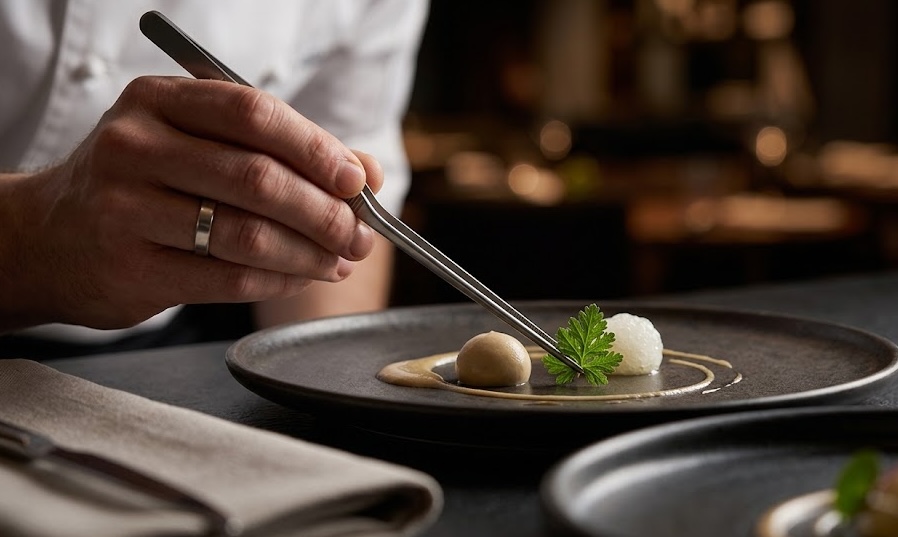
Fine dining has traditionally been defined by rigid parameters: white linen tablecloths, hushed dining rooms, an army of somber waiters, and classic French techniques. However, at the absolute apex of global gastronomy, the definition of a "meal" is being radically deconstructed. Today's most sought-after Michelin-starred establishments do not merely serve food; they orchestrate multi-sensory, avant-garde theatrical performances where gastronomy intersects with art, technology, and psychology.
For the elite traveler, securing a reservation at these establishments is often a primary catalyst for international travel. Here, we explore the new frontier of ultra-exclusive dining experiences that defy all conventional expectations.
The Integration of Technology and Theater
Perhaps the most famous example of this new wave is Sublimotion in Ibiza, Spain, orchestrated by Chef Paco Roncero. Costing over €2,000 per person and catering to only 12 guests a night, it is frequently cited as the most expensive restaurant in the world. The dining room is essentially a high-tech blank canvas.
Through 360-degree projection mapping, augmented reality headsets, and custom soundtracks, the environment completely transforms with each of the 20 courses. One moment guests are eating seafood while "underwater" surrounded by swimming sharks; the next, they are in a futuristic neon metropolis. The food is synchronized perfectly with the visual and auditory illusions, creating a jarring, exhilarating sensory overload that transcends the act of eating.
"At the highest levels of culinary art, the chef is no longer just a cook; they are a director, an illusionist, and a storyteller, commanding all five senses of their audience."
Hyper-Locality and Extreme Foraging
In contrast to technological theater, other elite establishments focus on an extreme, obsessive connection to their immediate environment. Noma in Copenhagen (frequently ranked the best restaurant in the world before its evolution) pioneered this movement. The luxury here is not found in caviar or truffles imported from across the globe, but in the extreme rarity and meticulous preparation of hyper-local ingredients.
Chefs employ full-time foragers to scour local forests and shorelines for rare mosses, obscure seaweeds, and specific types of ants that impart unique citrus flavors. Meals are divided into strict seasons—such as the "Game and Forest" season—where guests might consume dishes utilizing reindeer brain or fermented pine cones. The exclusivity lies in the fact that these dishes cannot be replicated anywhere else on earth; they are a fleeting snapshot of a specific micro-climate at a specific moment in time.
The Element of Secrecy
True exclusivity thrives on secrecy. Ultraviolet by Paul Pairet in Shanghai masterfully utilizes mystery to elevate the dining experience. The restaurant has three Michelin stars, yet its address is completely unknown to the public.
The 10 nightly guests are instructed to meet at a specific rendezvous point in the city, from where they are driven in a blacked-out van to a secret location. Upon arrival in a windowless room, they are subjected to a highly choreographed 20-course avant-garde menu, paired with immersive lighting, scent diffusers, and audio projections tailored to each specific dish. The psychological anticipation built by the secrecy heightens the palate and focuses the mind entirely on the culinary performance.
These exceptional establishments prove that the future of luxury dining is not about eating to achieve satiation. It is about intellectual stimulation, emotional provocation, and participating in a fleeting, irreplaceable work of art.